
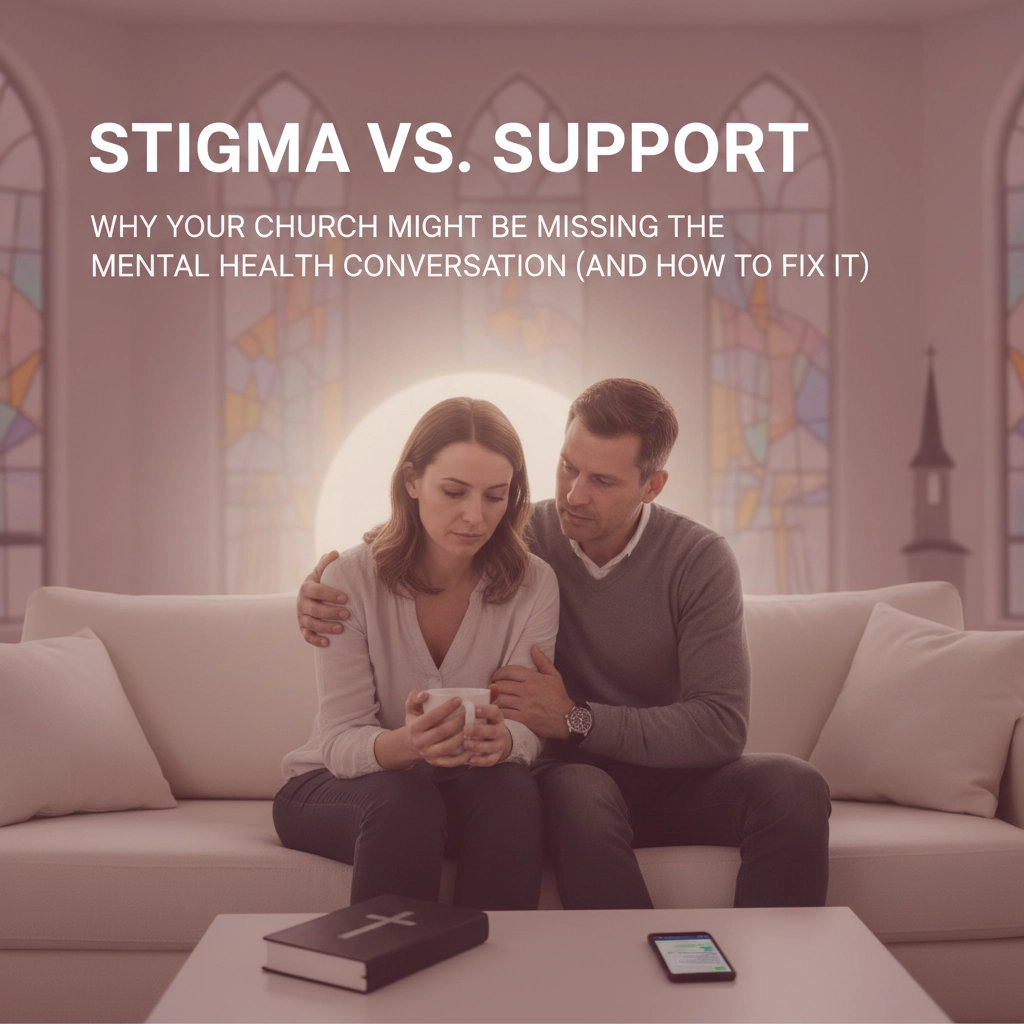
I’ll never forget hearing about a Sunday morning when Sarah approached her Pastor after service, her hands trembling as she whispered, “Pastor, I’ve been struggling with depression for months, but I was afraid to tell anyone here. I thought it meant I wasn’t trusting God enough.”
Sarah’s words hit the Pastor like a punch to the gut. Here was someone in our faith community who’d been silently drowning while surrounded by people who genuinely cared about her, yet she felt she had to hide her struggle. If you’re a church leader, I’m betting you’ve encountered similar moments. Maybe you’ve even felt that same fear yourself. Stories like these are a large part of my reason for seeking school to help.
The uncomfortable truth? Many of our faith communities have become places where physical ailments get prayer chains, but mental health struggles get whispered about in parking lots. We’ve created an unspoken hierarchy of acceptable suffering, and somehow, depression, anxiety, and trauma ended up at the bottom.
Why We Keep Missing the Mark
Let’s be honest about what’s happening in our churches. Mental health conversations make us squirm, don’t they? There’s this lingering belief, sometimes spoken, often just felt, that mental illness represents some kind of spiritual deficiency. I’ve heard well-meaning church members suggest that if someone just had more faith, prayed harder, or trusted God more completely, their depression would lift.

This thinking isn’t just wrong, it’s dangerous. When we treat mental health as primarily a spiritual issue, we’re essentially telling people that their very real, medically recognized conditions are character flaws. We’re saying that the same God who gave us wisdom to treat diabetes and heart disease somehow expects us to pray away brain chemistry imbalances.
I remember sitting with a young father who’d been battling severe anxiety attacks. His small group leader had told him that taking medication showed a lack of faith. This man was torn between getting the medical help he desperately needed and staying in good standing with his church family. How did we get to a place where seeking professional treatment feels like spiritual betrayal?
The pressure to maintain that “everything’s fine” church face runs deep in our communities. We’ve mastered the art of the Sunday morning smile, haven’t we? “How are you doing?” “Oh, blessed and highly favored!” Meanwhile, someone might be barely holding it together, counting the minutes until they can get home and collapse.
The Real Cost of Our Silence
Here’s what breaks my heart: research shows that nearly half of pastors rarely or never address mental health from the pulpit. Half. That means countless people are sitting in our pews every Sunday, wrestling with depression, anxiety, trauma, or other mental health challenges, and hearing… nothing. Radio silence on the very struggles consuming their daily lives.
What message does that send? That mental health isn’t spiritual enough to deserve sermon time? That it’s not real enough to warrant the same attention we give to marriage, finances, or career challenges?
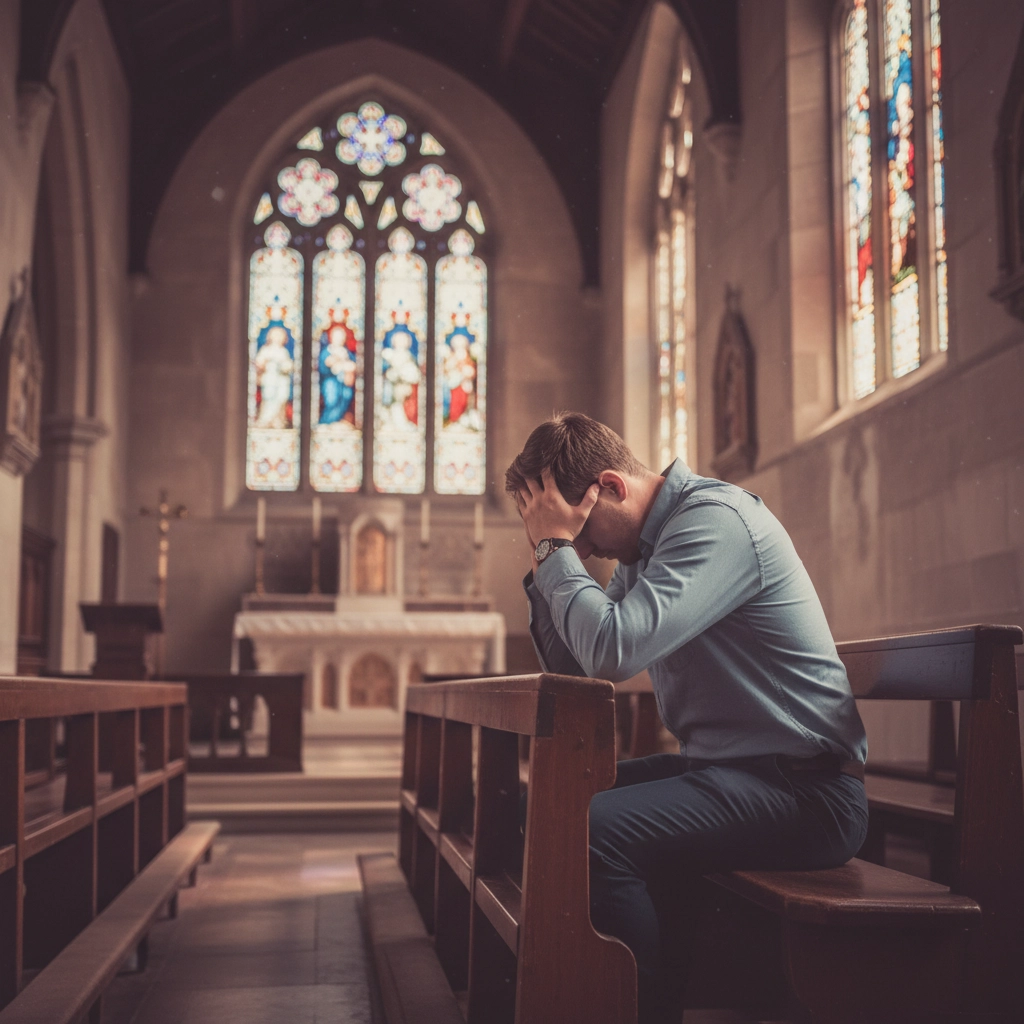
I think about David, who wrote Psalm 42: “Why, my soul, are you downcast? Why so disturbed within me?” This wasn’t David having a bad day: this was deep, clinical depression spelled out in Scripture. Yet somehow we’ve sanitized these raw, honest moments of human struggle right out of our conversations.
The consequences ripple outward. People leave our churches because they can’t pretend anymore. Others stay but disconnect emotionally, going through the motions while their mental health deteriorates. Some even receive the devastating message that their desire to serve or participate matters less than the congregation’s discomfort with their condition.
Are we really okay with being the place people run from when they need healing most?
Starting the Conversation We Should Have Been Having All Along
So how do we fix this? How do we transform our faith communities from places of hidden shame into spaces of authentic healing?
First, we need to start talking about it from the pulpit. Regularly. Not just during Mental Health Awareness Month, but as part of our ongoing discipleship. When we preach about God’s comfort for the brokenhearted, let’s acknowledge that sometimes that comfort comes through therapy and medication. When we discuss God’s provision, let’s include mental health resources alongside food and shelter.
I’ve started weaving mental health awareness into my sermons naturally. When teaching on Jesus’s compassion for the hurting, I mention how that extends to those battling invisible illnesses. When preaching about community support, I talk about walking alongside someone through therapy or recovery. It doesn’t need to be a separate, awkward topic: it’s part of the human experience we’re called to address.

We also need to equip our leadership. As pastors and ministry leaders, we’re often the first people someone reaches out to in crisis. We don’t need to become therapists, but we absolutely need to understand basic mental health principles, know how to listen without judgment, and have a solid referral network of Christian counselors and mental health professionals.
I’ve learned to say, “I’m honored you trusted me with this, and I want to make sure you get the best possible care. Let me connect you with someone who specializes in this area while I continue supporting you spiritually.” That’s not passing the buck: that’s providing comprehensive care.
Practical Steps That Actually Work
Here’s what I’ve seen make real difference in faith communities:
Create safe spaces for sharing. We started monthly “Coffee & Conversations” gatherings where people can share their mental health journeys without fear of judgment. No advice-giving allowed: just listening and supporting. The breakthrough moments in these circles have been profound.
Partner with local mental health professionals. We’ve brought in Christian counselors to lead workshops on anxiety, depression, grief, and trauma. Having experts address these topics removes the guesswork and dispels myths that keep people from getting help.
Watch your language. I cringe when I hear people casually throw around terms like “I’m so OCD” or “This weather is so bipolar.” For someone actually living with these conditions, that minimizes their very real daily struggles. Let’s be more thoughtful with our words.

Share stories of healing. Some of our most powerful testimonies have come from people who found God’s grace through therapy, medication, and professional treatment. These stories show that seeking help isn’t unfaithful: it’s stewarding the life God gave you.
Train your small group leaders. Equip them to recognize warning signs, respond appropriately, and know when and how to encourage professional help. They’re often the first to notice when someone’s struggling.
Moving Forward with Hope and Healing
I’ll be honest: this work isn’t easy. Changing deeply held beliefs takes time, patience, and a lot of grace. You’ll encounter pushback. Some people will question whether you’re “preaching psychology instead of the Gospel.” Others might worry you’re opening floodgates you can’t close.
But here’s what I know after years of walking this path: when churches become places where people can be honest about their mental health struggles, something beautiful happens. Community deepens. Masks come off. Real healing begins.
We have the opportunity to lead society in destigmatizing mental health rather than lagging behind. Imagine being known as the church where people experiencing depression, anxiety, or trauma know they’ll find understanding, support, and practical help getting professional care.

The message needs to be clear and consistent: mental health struggles don’t indicate spiritual failure. Seeking professional help shows wisdom, not weak faith. Medication for mental illness is as legitimate as medication for any other medical condition. And our faith communities should be the safest places on earth for someone to admit they’re not okay.
Sarah, by the way, did get the help she needed. She found a Christian therapist, started appropriate treatment, and gradually began healing. But more importantly, her courage in sharing her story opened doors for others in our congregation to seek help too. Her vulnerability became a gift to our entire community.
That’s what happens when we stop hiding behind spiritual platitudes and start having real conversations about mental health. We discover that supporting each other through these struggles isn’t separate from our faith: it’s central to it.
The question isn’t whether mental health challenges exist in your congregation. They do. The question is whether your community will be a place of stigma or support, silence or healing conversation.
What will you choose?